
Big data analytics has moved from a buzzword to a profit-driving engine for modern businesses. Today, companies that understand customer data, predictive analytics, and AI-driven insights consistently outperform competitors that rely on guesswork.
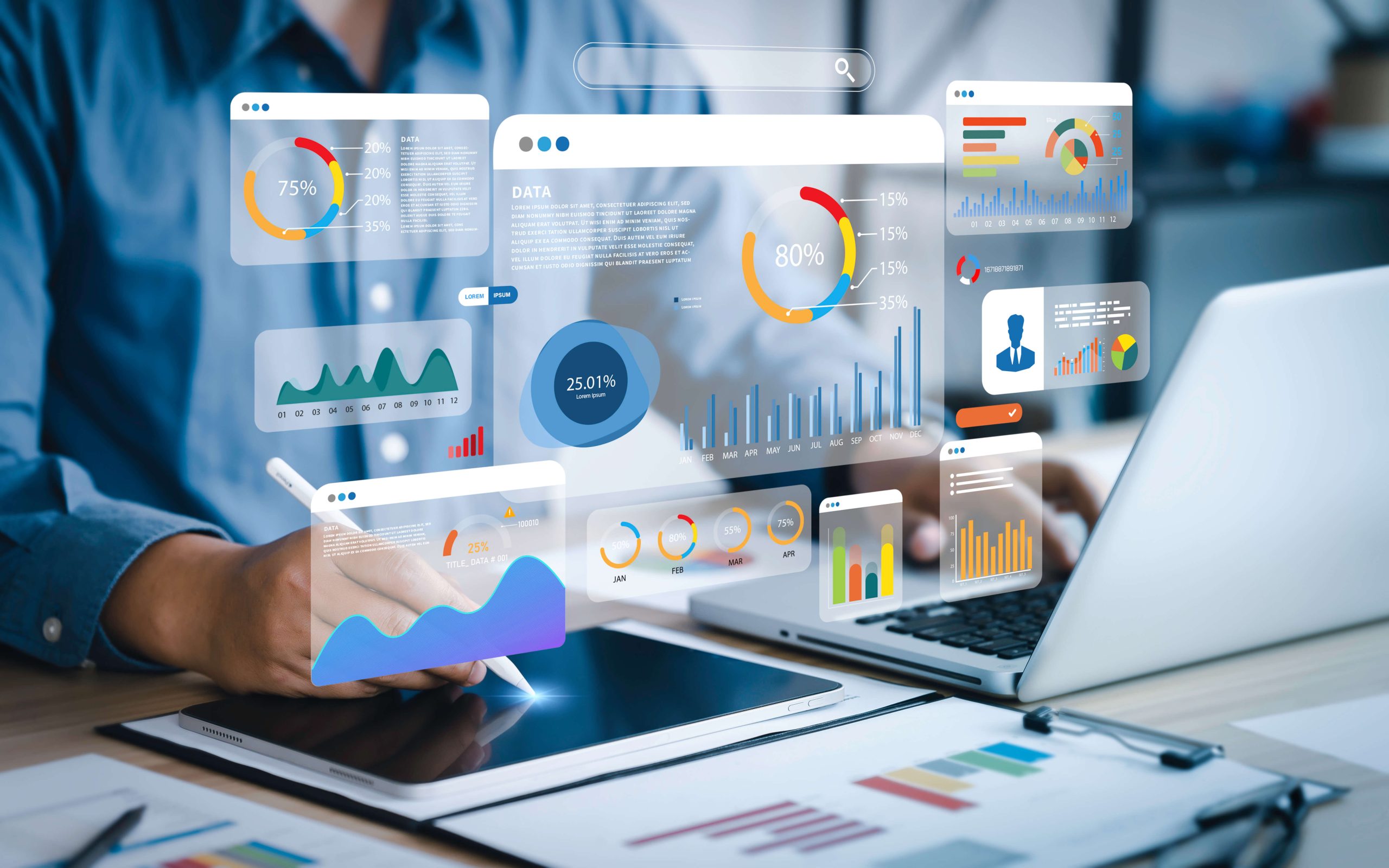
If you want to predict customer behavior, reduce wasted marketing spend, and unlock 300% profit growth, this guide shows you exactly how businesses do it—and how you can apply the same strategies.
This in-depth guide explains the tools, frameworks, real-world examples, and actionable steps you can use immediately.
Why Big Data Analytics Is the New Competitive Advantage
Your customers generate massive amounts of data every day.
Every click, purchase, scroll, review, location ping, and support ticket tells a story about intent, needs, and future actions.
Big data analytics helps you:
- Understand what your customers want before they ask
- Predict buying behavior with high accuracy
- Personalize offers at scale
- Reduce churn and increase lifetime value
- Optimize pricing and promotions
Companies using data-driven decision making consistently report higher revenue growth, better customer retention, and stronger brand loyalty.
According to insights shared by McKinsey on data-driven organizations, businesses that leverage advanced analytics are far more likely to acquire customers, retain them, and outperform peers.
What Is Big Data Analytics? (Simple Explanation)
Big data analytics is the process of:
- Collecting large volumes of structured and unstructured data
- Processing that data in real time or batches
- Analyzing patterns using statistics, machine learning, and AI
- Turning insights into profitable business actions
Unlike traditional analytics, big data analytics handles:
- Massive data volume
- High data velocity (real-time streams)
- Diverse data variety (text, images, video, clicks, IoT)
Platforms like Apache Hadoop, Google BigQuery, and Amazon Redshift make this possible at scale.
How Businesses Use Big Data Analytics to Predict Customer Behavior
Predicting customer behavior is the most profitable use of big data.
When you know what customers will do next, you can influence decisions in your favor.
Here’s how top companies do it.
Customer Behavior Analytics Explained
Customer behavior analytics focuses on understanding how users interact with your brand across channels.
You analyze data from:
- Website clicks and browsing history
- Mobile app usage
- Purchase history
- Email engagement
- Social media interactions
- Customer support conversations
By connecting these data points, you uncover:
- Buying intent signals
- Drop-off triggers
- Upsell opportunities
- Churn risk indicators
Tools like Google Analytics 4 and Mixpanel help businesses visualize these patterns.
Predictive Analytics for Customer Behavior
Predictive analytics uses historical data to forecast future actions.
Instead of reacting, you act before customers make decisions.
Common predictive models include:
- Purchase prediction models
- Churn prediction models
- Customer lifetime value forecasting
- Demand forecasting
According to IBM’s guide on predictive analytics, businesses using predictive models gain faster insights and more accurate forecasts.
Machine Learning Models That Drive Profit Growth
Machine learning sits at the heart of big data analytics.
It allows systems to learn patterns automatically and improve over time.
Popular machine learning models include:
- Logistic regression for churn prediction
- Decision trees for segmentation
- Random forest models for purchase likelihood
- Neural networks for personalization
Companies using machine learning in marketing see higher conversion rates and lower customer acquisition costs.
AI-Powered Customer Segmentation
Traditional segmentation uses age, gender, and location.
AI-powered segmentation goes deeper.
It groups customers based on:
- Behavior patterns
- Buying frequency
- Engagement level
- Price sensitivity
- Brand loyalty
Platforms like Salesforce Customer Data Platform and HubSpot CRM analytics automate this process.
This allows you to:
- Send the right message at the right time
- Avoid generic campaigns
- Maximize marketing ROI
Real-Time Data Analytics for Instant Decisions
Real-time analytics lets you respond immediately.
Examples include:
- Showing personalized product recommendations
- Triggering abandoned cart emails
- Adjusting prices dynamically
- Detecting fraud instantly
Streaming tools like Apache Kafka and AWS Kinesis power these systems.
Real-time insights often lead to dramatic conversion increases.
How Big Data Analytics Increases Profits by 300%
Profit growth comes from multiple improvements working together.
Here’s where the 300% impact happens.
Personalized Marketing at Scale
Personalization drives revenue.
Customers expect brands to understand them.
Big data enables:
- Personalized emails
- Product recommendations
- Targeted ads
- Dynamic website content
According to Accenture’s personalization research, customers are more likely to buy from brands that deliver relevant experiences.
Smarter Pricing and Revenue Optimization
Big data helps you set optimal prices.
You can analyze:
- Competitor pricing
- Demand elasticity
- Seasonal trends
- Customer willingness to pay
Dynamic pricing engines used by companies like airlines and eCommerce giants maximize profit per transaction.
Customer Churn Prediction and Retention
Acquiring new customers costs far more than retaining existing ones.
Big data identifies churn risks early.
Warning signs include:
- Reduced engagement
- Lower purchase frequency
- Negative support interactions
Tools like Zendesk analytics and Gainsight help businesses reduce churn significantly.
Marketing Spend Optimization
Big data analytics eliminates waste.
You learn:
- Which channels convert best
- Which ads drive real revenue
- Which keywords generate high ROI
This leads to:
- Lower customer acquisition cost
- Higher return on ad spend
- Faster growth
Platforms such as Google Ads Smart Bidding rely heavily on machine learning and big data.
Operational Efficiency and Cost Reduction
Big data improves internal operations.
Use cases include:
- Inventory forecasting
- Supply chain optimization
- Workforce planning
According to Deloitte insights on analytics, data-driven operations significantly reduce costs.
Big Data Analytics Tools Businesses Use
Here’s a comparison table of popular big data tools.
| Tool | Primary Use | Best For |
|---|---|---|
| Google BigQuery | Cloud data warehousing | Fast analytics at scale |
| Amazon Redshift | Data warehousing | Enterprise reporting |
| Apache Hadoop | Distributed storage | Massive data processing |
| Tableau | Data visualization | Business dashboards |
| Power BI | Analytics & reporting | Decision making |
Big Data Analytics Use Cases by Industry
Different industries use big data differently.
E-Commerce and Retail
- Product recommendations
- Demand forecasting
- Dynamic pricing
Amazon’s recommendation engine is a classic example of big data-driven revenue growth.
Banking and Financial Services
- Credit risk modeling
- Fraud detection
- Personalized offers
Banks rely on advanced analytics platforms to protect assets and improve profitability.
Healthcare
- Patient behavior prediction
- Resource allocation
- Preventive care insights
Healthcare analytics improves outcomes while reducing costs.
SaaS and Technology Companies
- User engagement analytics
- Feature adoption prediction
- Subscription churn reduction
SaaS companies depend heavily on customer lifetime value analytics.
How to Implement Big Data Analytics in Your Business
You don’t need to be a tech giant.
Follow these steps.
Step 1: Define Clear Business Goals
Ask yourself:
- Do you want to reduce churn?
- Increase conversions?
- Improve pricing?
Clear goals guide data strategy.
Step 2: Collect the Right Data
Focus on quality over quantity.
Sources include:
- Website analytics
- CRM systems
- Transaction data
- Customer feedback
Step 3: Choose the Right Analytics Tools
Match tools to your budget and scale.
Cloud-based platforms reduce infrastructure costs.
Step 4: Build Predictive Models
Start simple.
Even basic models deliver value.
Over time, improve accuracy.
Step 5: Turn Insights Into Action
Insights without action mean nothing.
Automate responses where possible.
Common Mistakes to Avoid
Avoid these pitfalls:
- Collecting data without strategy
- Ignoring data quality
- Overcomplicating models
- Failing to act on insights
Data Privacy, Security, and Compliance
Big data comes with responsibility.
Ensure compliance with:
- GDPR
- CCPA
- Data protection laws
Security builds customer trust.
Future Trends in Big Data Analytics
Watch these trends:
- AI-driven automation
- Real-time personalization
- Privacy-first analytics
- No-code analytics tools
According to Gartner analytics forecasts, analytics adoption will continue to accelerate.
Frequently Asked Questions
What is big data analytics in simple terms?
Big data analytics means analyzing large amounts of data to uncover patterns and predict outcomes.
Can small businesses use big data analytics?
Yes. Cloud tools make analytics affordable and scalable.
How long does it take to see results?
Many businesses see improvements within weeks.
Is big data analytics expensive?
Costs depend on scale, but ROI often outweighs investment.
What skills do I need?
Basic data literacy and the right tools are enough to start.
Final Thoughts: Turn Data Into Profit
Big data analytics is no longer optional.
If you want to predict customer behavior, increase revenue, and scale profitably, data-driven decision making is essential.
Start small.
Focus on actionable insights.
Let your data work for you—not against you.
When used correctly, big data analytics can transform your business and unlock exponential profit growth.