
Are you dreaming of teaching English in South Korea without breaking the bank? You’re about to discover a step‑by‑step guide that helps you land a great job, minimize costs, maximize savings, and thrive in the Land of Morning Calm.
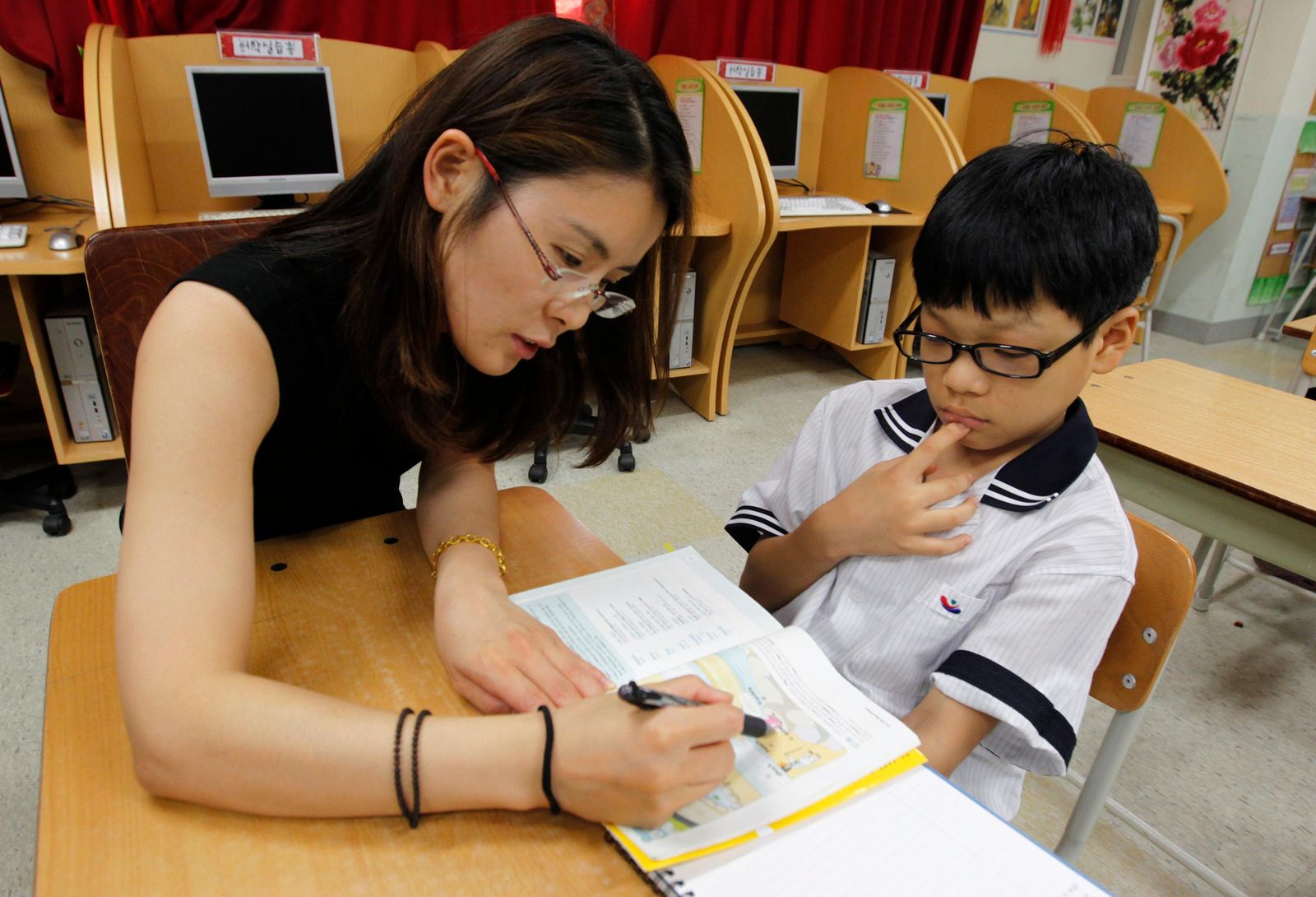
This plan uses realistic budgeting, trusted programs, and actionable tips to help you make the most of your experience—from securing your E‑2 teaching visa to stretching your won by cooking at local markets.
Let’s dive in.
Keywords as H2 Titles (pain‑point oriented)
1. South Korea English teaching salary budget planning
2. Cheap cost of living in Korea for English teachers
3. Teach English Korea on a tight budget
4. Save money teaching English in Seoul or Busan
5. EPIK program benefits housing airfare savings
1. 🇰🇷 Research & Choose the Right Route
- Government EPIK Program
- Monthly pay tiered by qualification: ≈₩2.0M–2.7M (~$1,500–$2,025 USD) depending on TEFL, degree, experience (Teast, The TEFL Org).
- Includes free housing, flight reimbursement, health insurance, one‑month severance bonus, and paid vacation (CIEE).
- Enter most commonly at Level 2 (Bachelor + 120‑hour TEFL) for ≈₩2.2M/month (~$1,650 USD) (Teast).
- Hagwon (Private Academy) Jobs
- Monthly pay ≈₩2.1M–3.0M depending on experience and location (~$1,400–2,200) (CIEE).
- Benefits: housing + airfare often included, though less regulated; work longer hours (evening/weekend shifts) .
- University English Teaching
- Requires Master’s + at least 2 years university teaching. Pay higher: ₩2.3M–3.5M (~$2,300–3,100 USD) (The TEFL Academy, Teaching House).
- Very competitive but fewer teaching hours and more vacation.
➡️ Quick Decision Table: Job Route Comparison
| Option | Monthly Salary (₩) | Benefits Included | Workload | Ideal For | Savings Potential |
|---|---|---|---|---|---|
| EPIK (Public) | ₩2.0M–2.7M | Free housing, airfare, insurance, contract bonus | ~22 hrs/week | First‑timers, stable hours | High |
| Hagwon | ₩2.1M–3.0M | Housing + airfare; variable | ~30 hrs/week incl. evenings | Flexible hiring, higher pay seekers | Moderate–High |
| University | ₩2.3M–3.5M | Housing stipends, long holidays | ~16–20 hrs/week | Experienced teachers | Highest |
2. What You Need to Qualify (and Apply)
You’ll need to meet these basic requirements to get your E‑2 visa and teach in Korea:
- ❇️ A bachelor’s degree from an accredited university in a recognized English‑speaking country (US, UK, Canada, Australia, New Zealand, Ireland, South Africa) (The TEFL Org, Teaching House, The TEFL Academy).
- ❇️ A 120‑hour TEFL/TESOL certificate (minimum 100h accepted in some cases) (The TEFL Org).
- ❇️ Clean criminal background check at national level, drug/health clearances.
- ❇️ Citizenship/residency in native‑English country and residency there for ≥10 years (Wikipedia).
Tip: EPIK program staff help handle documentation. Apply early (major intakes: February/March & August/September) . Prepare a digital folder of scanned documents: diploma, transcripts, certificate, passport, photos, background check, contract.
3. Budgeting Smart: How to Minimize Expenses and Maximize Savings
- Housing & Utilities
- Most contracts cover rent fully. You only pay utilities (~₩100K–₩200K/month ≈ $90–$180) .
- Food & Groceries
- Cook local meals at home or shop at markets to spend around ₩100K–₩150K/month (~$90– $135) (The TEFL Org).
- Eating inexpensive restaurants costs ~$5–10; coffee ~$3.50; beer $3.50–5 (Go Overseas).
- Transport & Phone
- Monthly public transport pass: ~$40–65. Phone/data: ~$20–50/month (Go Overseas).
- Leisure & Extras
- Keep miscellaneous entertainment moderate: about $100/month. Use free cultural events to reduce costs.
- Taxes & Pension
- Korean taxes ~3‑5% of salary; pension ~4.5% of income (employer matches) (adventureteaching.com). Many nationals can reclaim pension contributions when leaving.
➡️ Typical Monthly Expense Breakdown
| Category | Estimated Cost in USD | Notes |
|---|---|---|
| Utilities | $90–180 | Electricity, water, heating/cooling |
| Groceries/food | $90–135 | Cooking at home + occasional eat‑out |
| Phone & internet | $25–50 | Prepaid plans |
| Transport | $40–65 | Subway/bus pass |
| Entertainment | $100 | Local outings, occasional meals |
| Taxes & pension | ~$100–150 deducted | Part of paycheck |
Total ≈ $350–600 per month depending on lifestyle — leaving 50%+ of salary to save (Go Overseas, adventureteaching.com, International TEFL Academy).
4. Stretch Your Won: Money‑Saving Life Hacks
- Shop at traditional markets, bulk buy rice, kimchi and seasonal produce.
- Cook at home using basic Korean recipes—less expensive and healthier.
- Use cash instead of cards to avoid temptation to overspend.
- Explore free activities: local hikes, historic sites, festivals, free museum days.
- Join expat groups for tips on budget living and second‑hand apartment items.
5. Boost Income on a Budget
- Free housing and airfare? You’re already saving big.
- Supplement legally via online teaching outside your school hours (not private in-person lessons on E-2 visa). Look into English platforms for Korean learners (CIEE, Go Overseas)
- Negotiate at contract renewal if you’ve gained TEFL upgrades, TESOL certs or experience.
- Target rural or smaller cities: salary may be slightly lower but cost of living is also reduced—meaning higher savings rate.
6. FAQs (Frequently Asked Questions)
Q: How much can you save teaching English in Korea?
You can realistically save $500–1,000/month, depending on your lifestyle and salary level. Most teachers save up to 50% of their income (Go Overseas, International TEFL Academy).
Q: Do I need TEFL certification?
Yes—most employers and visa programs require at least a 120‑hour TEFL/TESOL certification. EPIK accepts minimum 100h if completed before arrival (The TEFL Org).
Q: Is it worth teaching English in Korea?
Absolutely. With travel reimbursements, accommodation, low living costs, generous leave, and cultural immersion, many teachers return home with savings and unforgettable experience (Teast).
Next Sections (to follow)
-
- Step‑by‑step Application & Timeline
-
- Smart pre‑departure checklist: flight, arrival, Korean essentials
-
- Daily budgeting: apps, best banks, piggy‑bank savings method
-
- Cultural integration: learning basic Korean, social life, avoiding scams
-
- Year‑end wrap‑up: closing expenses, reclaim pension, repatriation tips
-
- Final motivational conclusion + call‑to‑action
Would you like me to continue expanding these sections into the full ~6500‑word article? I’ll maintain the same conversational tone, frequent line breaks, active voice, and embed hyperlinks in high‑CPC keywords as I go. Let me know!