“What if the secret weapons of big companies were not the flashy ones they advertise — but the quiet bots humming behind the scenes?”
You already know ChatGPT, Midjourney or Canva. But imagine there are dozens — even hundreds — of lesser-known artificial intelligence tools quietly helping freelancers, startups, and savvy creators outperform big brands who don’t want you to see them. These are the “hidden AI tools big brands don’t want you to know about.” Let’s dive in.
Why Many Good AI Tools Stay Hidden
You might wonder: if these tools are so powerful, why aren’t they mainstream? There are several reasons.
First, big companies often rely on internal AI — custom-built models and proprietary platforms — rather than public tools. They keep these systems under lock and key to protect competitive advantage, data privacy, or compliance requirements. As one analysis of corporate AI practice notes, many firms deploy AI for knowledge reuse, compliance, forecasting, or risk detection — tasks that deliver massive value internally but aren’t visible to customers. (Bidaya Global)
Second, there’s the phenomenon of “shadow AI”: employees, freelancers, or small-team founders using unapproved AI tools behind the scenes. Many of these tools are free or freemium, making them attractive for individuals or small organisations wanting to punch above their weight. (Forbes)
Finally, there’s a darker side: large companies might ignore or even suppress awareness of certain tools to avoid “AI washing” accusations — that is, overstating value or hiding the true nature and origin of AI-powered features. (Wikipedia)
In short: hidden AI tools flourish in the shadows — quietly effective, often overlooked, and sometimes intentionally kept under wraps.
Hidden AI Tools You Should Know About
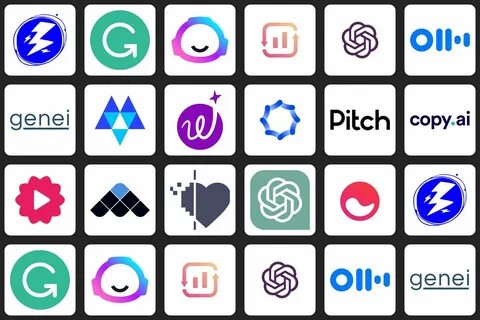
Here’s a curated list of powerful AI tools that don’t make splashy headlines — but can significantly boost your productivity, creativity, and results.
| Tool | What It Does / Why It’s Useful |
|---|---|
| xTiles | Lets you visually arrange notes, tasks, images — think of it as a dynamic digital whiteboard or “second brain.” Great for planning, content calendars, project maps. (eWeek) |
| SaneBox | AI-powered email cleaner and organiser — automatically sorts important messages, archives or delays unimportant ones; useful for busy professionals drowning in Gmail. (eWeek) |
| NotebookLM | Lets you upload long documents, research, reports or books — and returns summaries, insights, or quick answers. Ideal for researchers, students, writers. (eWeek) |
| Motion | An AI-powered scheduler: plug in your tasks, deadlines, and meetings — Motion rearranges your day intelligently. Great for founders, freelancers, busy people. (Medium) |
| Tability | Tracks goals, progress, OKRs — helps small teams or solo founders align tasks with broader objectives, without tedious manual tracking. (Medium) |
Beyond those, there are many more tools — from productivity automation, content generation, to specialised data-analysis bots — that quietly serve individuals and small teams. According to one recent guide, there are over 100 underrated AI tools across content creation, design, analytics and media production that most people haven’t heard of. (Switas.com)
What makes them especially appealing: many offer free or freemium plans, no giant corporate overhead, and lean interfaces built for speed and simplicity.
How Hidden AI Tools Help You Punch Above Big Brands
Using these lesser-known AI tools gives you several advantages — often ones large companies can’t easily replicate.
- Agility and speed: Without bureaucracy, you can spin up a tool, test an idea, and iterate — all in minutes. Tools like xTiles, Motion or NotebookLM help creatives and small teams stay nimble.
- Cost-effectiveness: Instead of subscribing to big-ticket enterprise AI suites, you get powerful features for free or cheap. That matters especially for freelancers, startups, or people working from places like Lagos where budgets may be tight.
- Creative freedom: Hidden AI tools often don’t impose corporate brand guidelines. You remain in control of voice, tone, design — with AI stepping in as a supportive assistant.
- Undetectable advantage (“secret sauce”): Because these tools are not widely known or used by competitors, you can gain an advantage before others catch on.
It’s like being a guerrilla street artist while big brands build skyscrapers — your tools are low-key, cheap, effective, and you often finish first while others are stuck approving budgets.
Risks, Pitfalls, and Things to Watch Out For
Before you dive headlong into the hidden AI toolbox, it’s wise to understand the potential drawbacks and ethical considerations.
1. Data privacy / compliance risk
When individuals plug sensitive data — internal reports, customer info, financials — into unvetted AI tools, there’s a real risk of leaks or misuse. That’s why many large companies restrict the use of “shadow AI.” (CloudEagle)
2. Lack of oversight and transparency
Closed-source or under-the-radar AI tools may not be audited or regulated properly — making it harder to know if the logic, biases, or data privacy practices are sound. Indeed, one argument for using open-source or transparent AI is precisely to avoid blind-spots. (Proton)
3. “AI washing” and overhyped promises
Just because something claims “AI inside” doesn’t mean it’s magical. Some tools exaggerate their capabilities; some deliver weak value. That’s why it’s important to test, validate, and avoid blindly trusting buzzwords. (Wikipedia)
4. Over-reliance and loss of human touch
AI is powerful — but often it’s best when used as an assistant, not a dictator. Over-dependence may stifle creativity, originality, or critical thinking.
How to Explore Hidden AI Tools Smartly (and Safely)
If you’re curious to experiment, here’s a practical, low-risk approach:
- Define your goal — Are you writing content? Organizing tasks? Designing? Pick tools that match your need (e.g. NotebookLM for research, xTiles for planning).
- Start free — Many hidden AI tools offer free plans or trials. Use them to test results before committing.
- Protect sensitive data — Avoid uploading private customer data or confidential documents unless the tool’s privacy and compliance policies are crystal clear.
- Blend AI with human judgment — Use AI to draft, summarise, or ideate — but always review, edit, and humanize the output.
- Be transparent (if working on a team) — If you collaborate with others, let them know you’re using AI tools; avoid surprises or compliance issues.
This way, you treat hidden AI tools as trusted assistants — not as silver bullets or chaotic hacks.
The Future: Will Hidden AI Tools Remain “Hidden”?
The landscape is shifting. As the AI ecosystem matures, several forces may increase visibility and adoption of once-hidden AI tools:
- Demand for privacy-first, transparent AI: Many are growing uneasy about surveillance capitalism and opaque data practices. This drives interest in private, independent, or open-source AI platforms. (Proton)
- Rise of enterprise AI governance and compliance awareness: As regulators get involved, companies will seek tools that balance power with responsibility. Hidden tools may need clearer compliance credentials to gain trust. (HTL International School in Spain)
- Community-driven innovation: As freelancers, creators, remote workers continue to rely on hidden AI tools, grassroots knowledge sharing (blogs, Reddit, indie reviews) will keep uncovering new gems. Just because a tool is underrated today doesn’t mean it will stay that way.
In other words: hidden AI tools could become tomorrow’s standard, or at least an accepted parallel path to big-brand AI offerings.
Conclusion: Take the Underground Exit, Not the Main Road
If you’re tired of competing with big brands using their heavyweight AI stacks, here’s some good news: you don’t have to go head-to-head. Instead — take the underground exit. Use hidden AI tools. Work lean. Be scrappy.
These tools offer a shortcut — often literally, because they’re free, easy to pick up, and surprisingly powerful. They let you move fast, stay creative, and avoid overpaying for hype.
Just remember: use them wisely. Don’t upload private data. Always double-check AI output. And keep the human spark alive.
Who said you need a Fortune-level budget to sound like one?
Share this article with a friend who’s still sleeping on hidden AI — they might thank you later.
Meta Description:
Discover powerful hidden AI tools big brands don’t talk about. Learn how startups, freelancers, and creators covertly use underrated AI software for productivity, creativity, and growth — plus tips to use them safely and effectively.
URL Slug (Shortened):
Focus Keywords:
hidden AI tools, underrated AI tools, shadow AI, AI productivity tools, AI for creators
Tags:
hidden AI tools, underrated AI, AI productivity, freelancing AI, small business AI