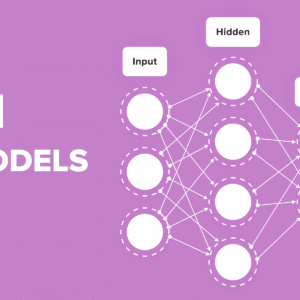
Fraud is one of the biggest threats to your money today.
Every time you swipe your card, send money through a mobile app, or log in to online banking, cybercriminals are watching for weaknesses.

That is why FinTech companies and banks are spending billions of dollars on artificial intelligence (AI) fraud detection systems—and why this technology directly protects your finances, identity, and digital security.
In this guide, you will learn:
- How FinTech apps use AI and machine learning to stop fraud instantly
- Why traditional fraud systems fail
- The exact AI technologies banks rely on
- How real-time fraud detection works behind the scenes
- What this means for your money and privacy
- The future of AI-powered financial security
Let’s break it down in simple, practical terms.
Why Financial Fraud Is Exploding in the Digital Economy
Digital payments are growing faster than ever.
Mobile banking, crypto wallets, peer-to-peer transfers, and buy-now-pay-later apps have made money easier to move—but also easier to steal.
According to global cybersecurity reports, financial fraud costs institutions hundreds of billions of dollars annually, and the number keeps rising.
Key reasons fraud is increasing:
- More online transactions than physical cash
- Faster payments leave little time for manual review
- Stolen data is sold cheaply on the dark web
- Social engineering scams are more sophisticated
- Fraudsters use automation and AI themselves
Traditional fraud detection systems can’t keep up.
That’s where AI-powered fraud detection changes everything.
What Is AI Fraud Detection in FinTech?
AI fraud detection uses machine learning algorithms, behavioral analytics, and real-time data processing to identify suspicious activity instantly.
Instead of relying on fixed rules, AI systems learn from patterns, adapt to new threats, and improve over time.
In simple terms:
AI doesn’t just look for known fraud—it predicts fraud before it succeeds.
FinTech apps use AI to analyze thousands of data points per transaction, including:
- Device information
- Location data
- Transaction speed
- Spending habits
- Login behavior
- Historical user activity
This happens in milliseconds, often before you even see the transaction notification.
How Traditional Fraud Detection Fails
Before AI, banks relied on rule-based systems.
These systems worked like this:
- If transaction amount > ₦X → flag
- If location changes suddenly → block
- If too many transactions → freeze account
The problem?
Fraudsters learned how to bypass static rules.
Major weaknesses of traditional systems:
- High false positives (legitimate transactions blocked)
- Slow response time
- Manual review bottlenecks
- Poor customer experience
- Limited ability to detect new fraud patterns
This is why banks and FinTech apps shifted to machine learning fraud detection.
How AI Detects Fraud in Real Time
AI fraud detection works in layers.
Each layer adds intelligence, speed, and accuracy.
Machine Learning Models for Fraud Detection
Machine learning models analyze massive datasets to identify abnormal behavior.

Common models used include:
- Supervised learning (trained on known fraud cases)
- Unsupervised learning (detects anomalies without labeled data)
- Deep learning neural networks
- Reinforcement learning
These models continuously improve as new fraud patterns emerge.
You benefit because the system becomes smarter every time fraud is attempted.
Learn more about machine learning in finance from IBM’s AI financial services research.
Behavioral Biometrics and User Profiling
FinTech apps don’t just analyze transactions.
They analyze how you behave.
Behavioral biometrics track:
- Typing speed
- Touch pressure
- Swipe patterns
- Mouse movement
- Device orientation
If someone steals your password but doesn’t behave like you, AI flags the risk instantly.
This approach is widely adopted by digital banks and payment platforms, as explained in Mastercard’s behavioral analytics overview.
Real-Time Transaction Monitoring Systems
Real-time fraud detection means no waiting, no batch processing, no delays.
Every transaction is:
- Scanned instantly
- Scored for risk
- Approved, challenged, or blocked
AI systems assign a risk score in milliseconds.
If the score exceeds a safe threshold:
- The transaction is declined
- You receive a verification alert
- Additional authentication is triggered
This is why your bank sometimes asks you to confirm suspicious activity.
AI vs Rule-Based Fraud Detection: A Clear Comparison
| Feature | Rule-Based Systems | AI Fraud Detection |
|---|---|---|
| Speed | Slow | Real-time |
| Accuracy | Low | High |
| Adaptability | Static | Self-learning |
| False Positives | High | Low |
| Cost Efficiency | Poor | Scalable |
| Fraud Detection | Reactive | Predictive |
This shift explains why banks invest billions in AI security infrastructure.
Why Banks Are Spending Billions on AI Fraud Prevention
Banks don’t spend money without reason.
AI fraud detection protects:
- Customer trust
- Regulatory compliance
- Brand reputation
- Financial losses
According to McKinsey’s banking technology analysis, AI-driven fraud prevention reduces fraud losses by up to 60% while improving customer experience.
Key drivers of AI investment:
- Rising digital payment fraud
- Stricter financial regulations
- Demand for frictionless user experience
- Pressure to reduce operational costs
AI delivers security without slowing you down.
FinTech Apps Leading AI Fraud Innovation
Some FinTech companies are AI-first by design.
They build fraud detection directly into their platforms.
Examples include:
- Digital wallets
- Mobile banking apps
- Crypto exchanges
- BNPL platforms
- Payment gateways
Companies like Stripe use machine learning fraud prevention tools to analyze billions of transactions annually.
AI-Powered Identity Verification and KYC
Know-Your-Customer (KYC) compliance is critical.
AI enhances KYC through:
- Facial recognition
- Document verification
- Liveness detection
- Identity graph analysis
This reduces identity theft and account takeovers.
You experience faster onboarding without sacrificing security.
Learn more from Jumio’s AI identity verification resources.
How AI Reduces False Declines (And Why You Care)
False declines frustrate customers.
AI minimizes this by understanding context, not just rules.
Benefits to you:
- Fewer blocked transactions
- Smooth international payments
- Better travel spending experience
- Less customer support stress
This directly improves customer satisfaction.
The Role of Big Data in Fraud Detection
AI thrives on data.
FinTech apps analyze:
- Transaction history
- Device fingerprints
- Network behavior
- Merchant patterns
- Global fraud trends
Cloud computing platforms like AWS fraud detection services make real-time analysis possible at scale.
AI Fraud Detection in Mobile Banking Apps
Mobile banking presents unique risks.
AI protects you through:
- App behavior monitoring
- Jailbroken device detection
- SIM swap detection
- Location intelligence
This ensures your account stays secure even on public networks.
Ethical Concerns and Data Privacy
AI fraud detection must respect privacy laws.
Responsible FinTech companies:
- Encrypt sensitive data
- Use anonymized datasets
- Follow GDPR and PCI-DSS standards
- Apply explainable AI models
You remain protected without intrusive surveillance.
The Future of AI Fraud Detection in Finance
The future includes:
- Predictive fraud prevention
- Cross-platform fraud intelligence
- AI-driven regulatory compliance
- Quantum-resistant security models
As fraud evolves, AI evolves faster.
What This Means for You as a User
AI fraud detection means:
- Faster payments
- Stronger security
- Fewer disruptions
- Peace of mind
Your money stays safer—even as threats increase.
Frequently Asked Questions
How does AI detect fraud in real time?
AI analyzes transaction behavior instantly using machine learning models and risk scoring.
Are FinTech apps safer than traditional banks?
Many FinTech apps use newer AI-driven systems that outperform legacy bank systems.
Can AI make mistakes in fraud detection?
Yes, but AI significantly reduces false positives compared to rule-based systems.
Does AI fraud detection invade privacy?
Reputable companies follow strict data protection regulations.
Why do banks invest billions in AI security?
Because fraud losses, regulatory fines, and trust erosion cost far more.
Final Thoughts: AI Is the Silent Guardian of Your Money
You may never see AI fraud detection working.
But every secure transaction proves its value.
As FinTech apps and banks continue investing in artificial intelligence, your financial future becomes safer, faster, and smarter.
AI doesn’t just stop fraud.
It protects trust.